
October 24, 2026
Dr. Selami Balcı: "Cities Must Plan for Stopping, Too"
Enlarge image
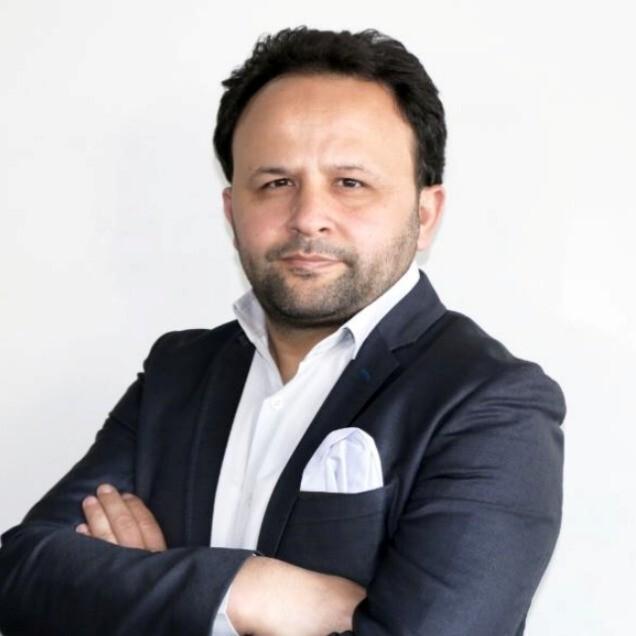
In his column in the 2nd issue of the Parking Bulletin, TODER Chairman Dr. Selami Balcı assessed the place of car parks in urban planning.
Dear sector stakeholders,
When we talk about transport in cities, we usually talk about roads, junctions and traffic. Yet every vehicle that sets out has to stop at some point on its journey. To understand a city's mobility, we need to look not only at movement itself but also at where and how that movement comes to a stop.
For many years, we regarded the car park as a real-estate matter, a question of "empty space". Today, the car park has become an integral part of urban mobility. A well-located and well-managed car park reduces the unnecessary circulation of vehicles searching for a parking space, eases traffic flow and saves drivers time. A poorly planned car park, on the other hand, does not solve the problem; it merely shifts it to another street.
That is why we must think about car parks not only in terms of capacity but also in terms of technology, vehicle circulation and user experience. When number plate recognition, digital payment, real-time occupancy information and guidance come into play, the car park ceases to be merely a physical space where vehicles are left and becomes an effective mobility service.
Planning for stopping means genuinely fulfilling car park obligations in new buildings, using existing capacity more efficiently through data and smart guidance, and managing on-street and off-street car parks as a single whole. Much of this is less about creating new space than about better managing the space we already have. The Car Park Law proposal that we raised in our first issue also arose from this need.
The news in this issue points in the same direction. At the Car Park Regulation Workshop held in Ankara in September, the public sector, academia and industry came together to discuss how the legislation can be developed in line with today's needs. The automated car park completed by our member Parkolay in Kadıköy showed what domestic engineering can achieve in a confined space. And the article seeking an answer to the question "What should we measure?" reminds us that we cannot manage what we do not measure.
The view we at TODER have championed from the outset remains unchanged: car park investments must be an integral part of urban planning, the public and private sectors should work more closely in this field, and decisions should be based on data. We will continue to contribute to legislative work and to turn our members' experience into collective wisdom.
When planning our cities, let us plan together not only for movement but also for stopping.
This article was published in the 2nd issue of the TODER Parking Bulletin, dated October 2026.